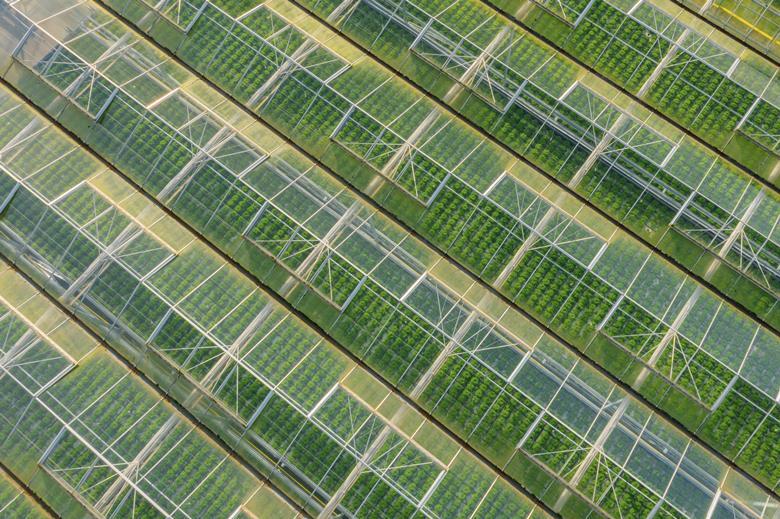
Following the landmark planning approval of the Rivenhall Greenhouse project, national and industry media have responded quickly — recognising the development as more than just a single scheme, but a signal of where UK food production may be heading.
Across mainstream, agricultural, and horticultural platforms, a consistent theme has emerged: Rivenhall represents a new model for resilient, low-carbon, large-scale domestic food production.
Below is a summary of how the story is being told across the media landscape.
National Spotlight: Scaling Domestic Production
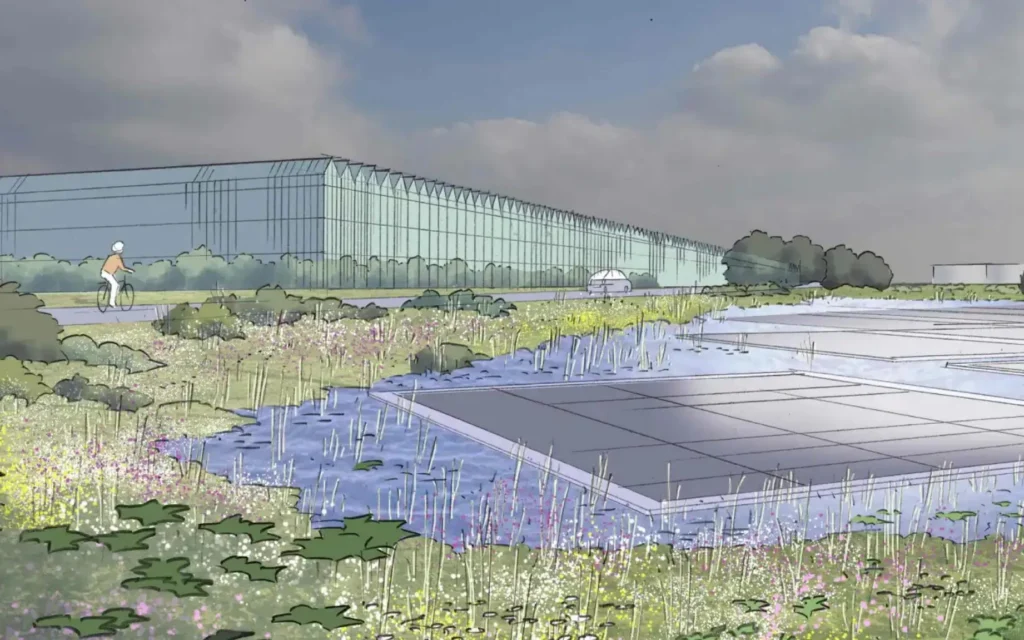
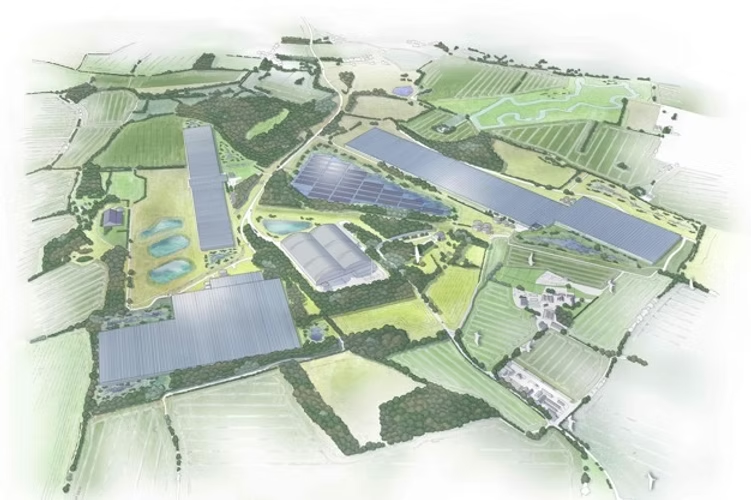
The The Telegraph focuses on the scale and strategic importance of the project within the UK’s wider economic and food security context. Their coverage highlights how a “mega greenhouse” powered through industrial co-location — including energy derived from waste — could play a critical role in reducing reliance on imported produce. The article frames Rivenhall as part of a broader shift towards self-sufficiency and supply chain resilience, particularly in the face of global instability and rising costs.
Industry Voice: Food Security and Low-Carbon Farming
Fresh Produce Consortium publication Fresh Talk Daily positions Rivenhall firmly within the conversation around food security and sustainable agriculture.
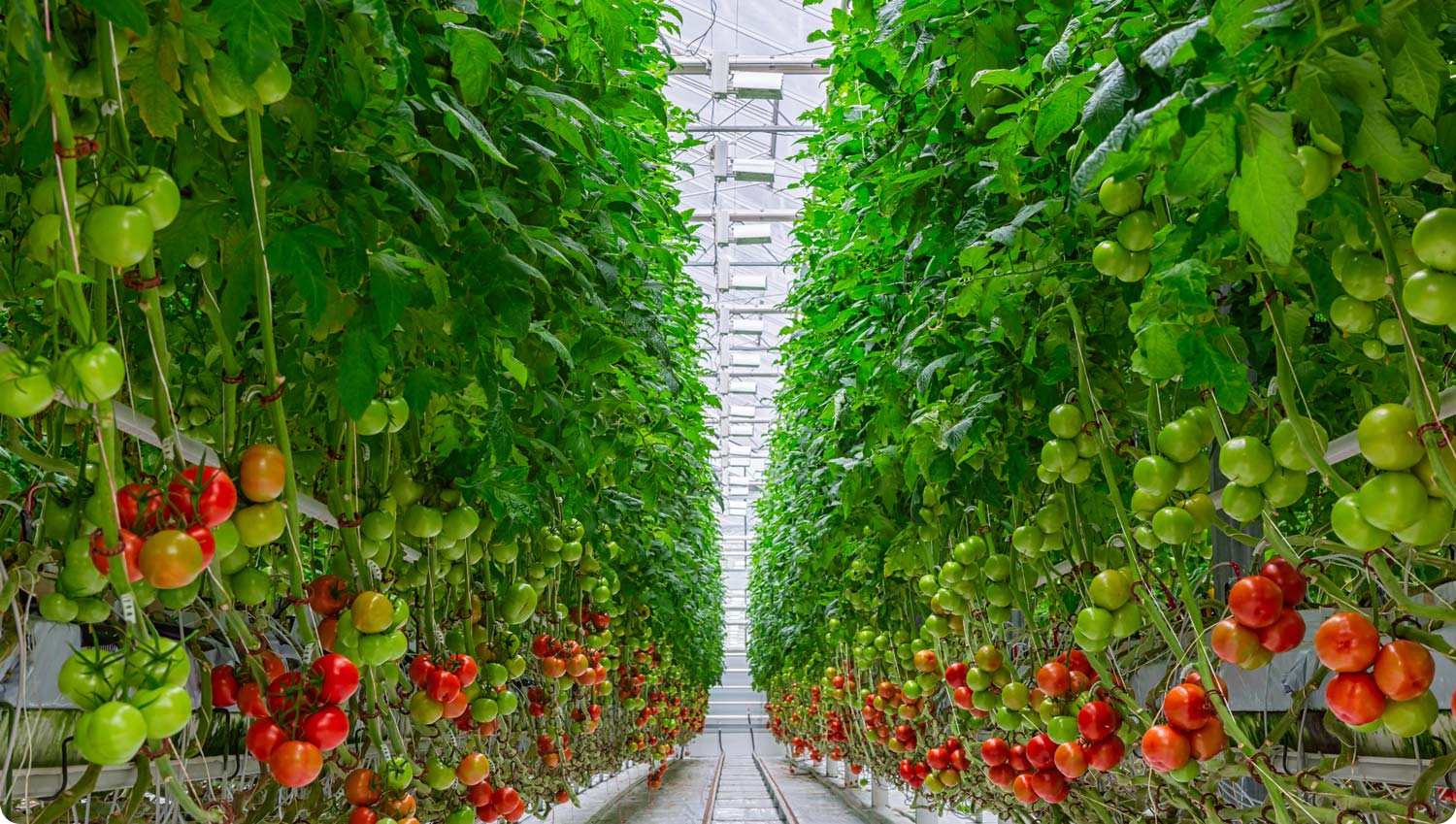
The article emphasises the project’s ability to deliver year-round, low-carbon produce at scale, while reducing exposure to climate-affected import regions. It also underlines the importance of Controlled Environment Agriculture (CEA) as a credible, scalable solution to long-term supply challenges.
Farming Perspective: A Structural Shift in UK Horticulture
Coverage from Farmers Weekly explores the implications for British growers and the wider agricultural economy.
The piece points to the project’s £150 million investment, job creation, and production capacity, while also raising the broader question of how UK horticulture must evolve to remain competitive. It frames Rivenhall as part of a necessary transition towards larger-scale, technologically advanced growing systems.
Global Horticulture Lens: A Step Towards Food Independence
International trade publication HortiDaily places Rivenhall within a global context.
Their reporting highlights the UK’s growing interest in reducing dependency on imports, positioning the project as a meaningful step toward food independence. The focus is on how scale, energy integration, and climate control can reshape national supply dynamics.
BBC Coverage: Bringing the Story to a Wider Audience
BBC coverage brings the story to a broader public audience, exploring both the opportunity and the debate around the model.
The discussion touches on the use of energy-from-waste infrastructure, the benefits of localised production, and the role projects like Rivenhall could play in stabilising food prices and improving resilience.
Across all coverage, a clear narrative is forming:
The UK’s reliance on imported fresh produce is increasingly seen as a structural risk
Energy volatility and climate pressure are accelerating the need for new models
Controlled Environment Agriculture — at scale — is moving from concept to reality
Industrial co-location offers a fundamentally different economic model for growers
Rivenhall sits at the centre of this conversation — not just as a project, but as a blueprint for the future of British horticulture.
As further developments are considered across the UK, the attention now turns to whether policy, investment, and planning frameworks can keep pace with the opportunity.